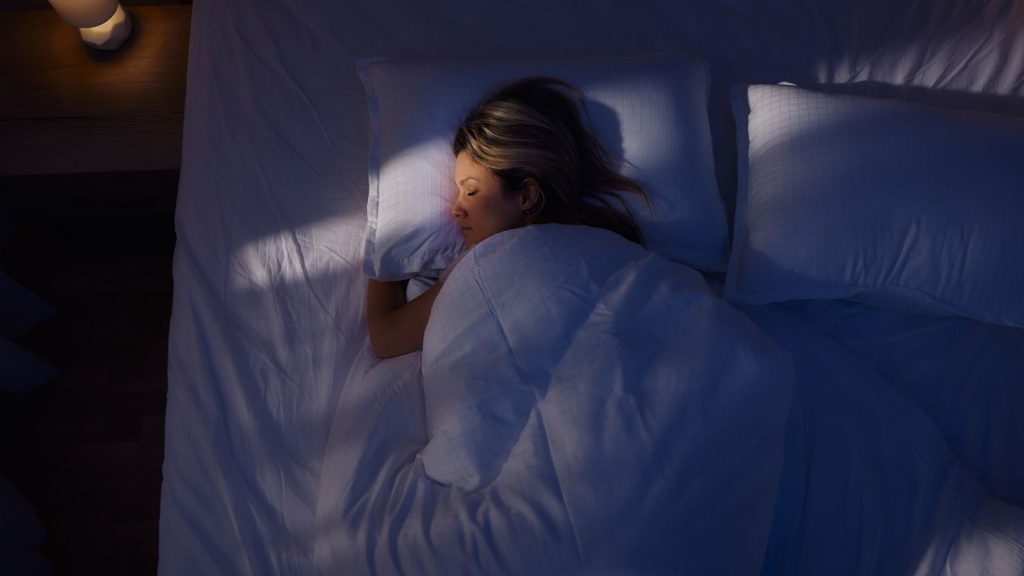
Sleep and relaxation are essential for recovery and regeneration of your body (and mind). Persistent disruptions can have negative effects on your metabolism, hormone balance, immune system function, mood, and many other important processes.
Good sleep consists of an average of 7 to 9 hours of uninterrupted sleep per night (maximum 20 minutes awake at a time). Not only the duration, but also the regularity of your sleep is essential: preferably go to bed at the same time every day and wake up at the same time, even on weekends.
Bedroom environment
- Keep your bedroom cool (ideally between 16-19°C) for a natural drop in body temperature.
- Keep the bedroom dark with blackout curtains or a sleep mask.
- Avoid blue light from screens for at least one hour before sleep; use a blue light filter if needed.
- Ensure silence in the bedroom (or use soothing white noise if that helps).
- Choose a good mattress and pillow that suit your body and sleeping position.
- Use the bedroom preferably only for sleep, not for working or watching TV.
- Ventilate the bedroom daily for sufficient oxygen.
- Use natural scents like lavender oil to promote relaxation if desired.
Nutrition
- Eat your last meal at least two hours before bedtime to give your digestion rest.
- Avoid very heavy, fatty, or spicy meals in the evening; these can disrupt sleep.
- Limit caffeine from the afternoon; it’s not only in coffee, but also in tea, cola, and chocolate.
- Don’t drink alcohol in the evening; it can negatively affect sleep quality and REM sleep and can cause restless sleep or frequent awakening.
- Eat enough tryptophan-rich foods during the day (such as turkey, eggs, oatmeal, nuts (pistachios)) as building blocks for melatonin.
- Avoid sugar and fast carbohydrates in the evening, these can cause blood sugar fluctuations that wake you up.
Exercise
- Exercise daily for at least 30 minutes, preferably outside in daylight.
- Intensive exercise right before bedtime can actually make some people more alert; schedule it in the morning or early evening instead.
- Gentle movement like yoga, walking, or stretching can actually be relaxing in the evening.
- Regular physical activity promotes deep sleep and reduces stress hormones.
Lifestyle and habits
- Go to bed at the same time every day and wake up at a fixed time, even on weekends.
- Create a fixed bedtime ritual, such as reading, breathing exercises, or a warm shower.
- Write down worries or to-dos before bedtime to reduce overthinking.
- Daytime naps are okay, but avoid naps longer than 20-30 minutes; they can reduce your ‘sleep pressure’.
- Get enough daylight during the day; it helps balance your biological clock.
- Use relaxation techniques like meditation, body scan, or progressive muscle relaxation.
Supplements (only in consultation with a doctor or expert)
- Magnesium (e.g., bisglycinate) can promote relaxation, especially with tense muscles or stress.
- L-theanine (from green tea) has a calming effect without drowsiness.
- Valerian or passionflower can help with falling asleep, but effectiveness varies per person.
- Be careful with supplements; choose pure, reliable brands and avoid self-medication.
Other tips
- Ensure a peaceful end to the day; avoid meetings or difficult conversations in the evening.
- When waking up at night, don’t stay up too long and avoid phone use; stay in the dark and relax.
- Don’t use sleep medication without medical indication; it disrupts your natural sleep cycle.